Lee College's Prison Education Program (PEP) is participating in a groundbreaking national research project focused on improving access to education for people who have been impacted by incarceration. The college is one of more than 22 prison education programs nationwide selected to collaborate with the University of Utah, which is launching the Prison Education Action Research Lab (PEARL) through an $8 million award from Ascendium Education Group. PEARL will serve as the first national center dedicated to prison education research and leadership.
Through this partnership, the college will contribute to PEARL's anchor initiative, the Prison Education Research Initiative (PERI). This innovative, multi-institutional study will address urgent policy- and practice-related questions in prison education. PERI will collect systematic, longitudinal data on prison education programs, their students, and student outcomes to better understand the impact of higher education during incarceration.
Donna Zuniga, associate vice president of the Lee College Huntsville Center, emphasized the importance of Lee College's involvement in the initiative.
"Lee College is proud to be part of a national effort that strengthens access to higher education for incarcerated students," Zuniga said. "Participating in the Prison Education Research Initiative allows us to contribute to meaningful research while continuing our mission of expanding educational opportunity, workforce readiness, and long-term success for the communities we serve."
Lee College's Prison Education Program supports incarcerated students by providing access to college coursework designed to promote academic achievement, personal growth, and successful reentry. Participation in PERI will help inform best practices and guide future program development at the Huntsville Center and across the nation.
Research shows that access to postsecondary education during incarceration provides benefits that extend far beyond prison walls. "For practitioners, we know that access to quality postsecondary education during incarceration strengthens families and improves public safety," said Dr. Erin L. Castro, director of PEARL and associate professor of educational leadership and policy at the University of Utah.
"We also see increased educational aspirations among the children of incarcerated learners, and PEARL will allow us to examine these outcomes through rigorous, empirical research."
Dr. Castro added that PEARL's placement within a college of education reflects a critical shift in how prison education is studied and understood. "Much of what we know about higher education in prison comes from criminology. Housing the Lab in the College of Education positions incarcerated individuals first and foremost as college students and centers teaching, learning, and educational leadership in this work."
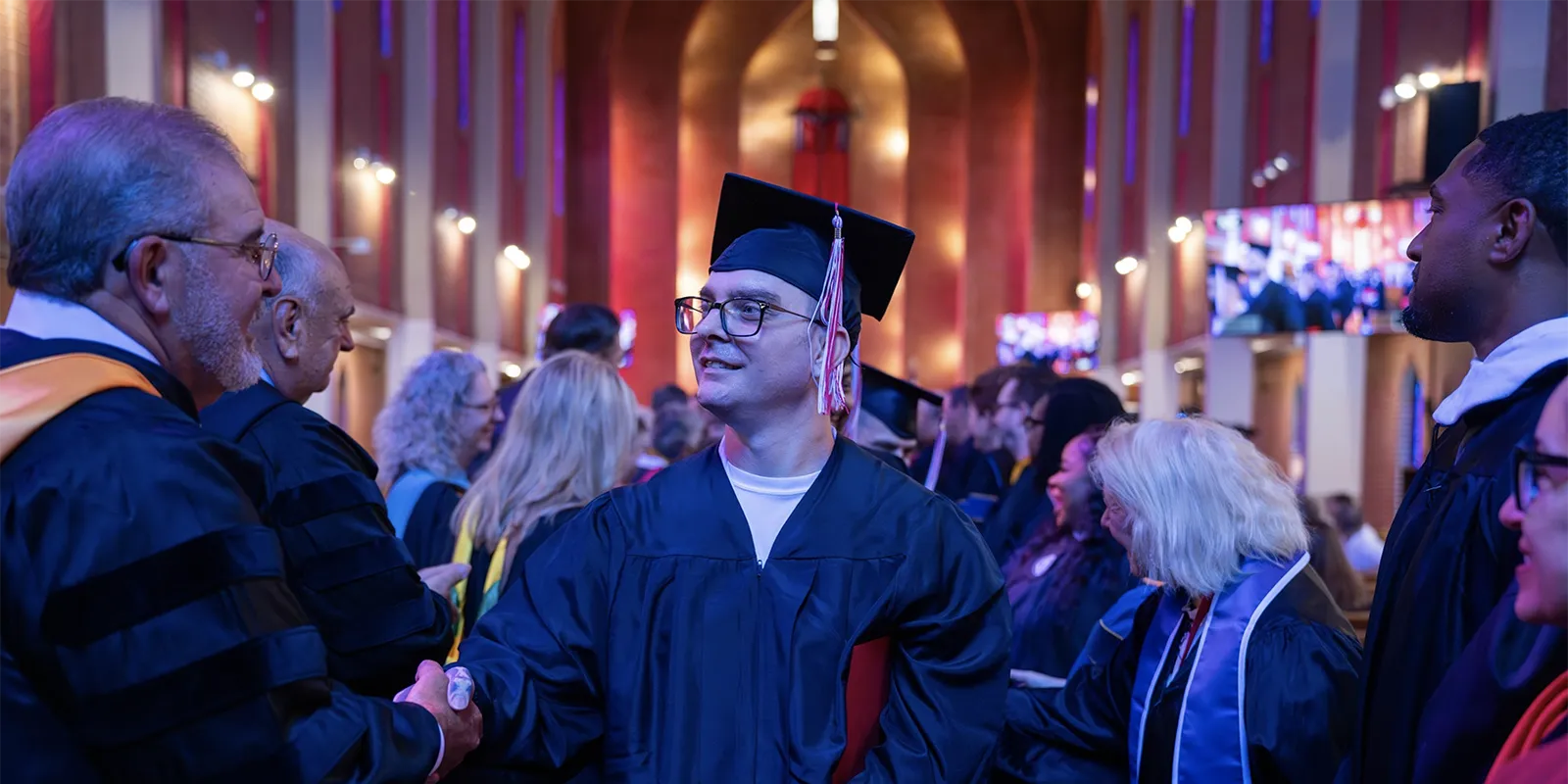
One of the largest prison education programs in Texas, Lee College's Huntsville Center currently serves more than 1,200 incarcerated students. Established in 1966, Lee College's Prison Education Program is one of the oldest continuously operating programs of its kind in the nation and will celebrate 60 years of service this year. Today, the program delivers educational offerings across nine of Texas's 100 prison units, including an Associate of Applied Science (AAS) degree in business management, certificates and degrees in technical fields, and a six-week reentry program that helps students develop essential life skills for a successful transition back into their communities throughout Southeast Texas.